Potty Training Toys: Which Ones Actually Help (and Which Just Distract)

A potty training toy or doll can help a toddler feel comfortable with the idea before you start, but it does not teach potty training on its own. What actually gets a child dry is learning to notice their own urge and say so themselves. Toys work best as rehearsal before day one, not as something to keep a child sitting on the potty.
Toy shops and marketplaces are full of dolls that wet, musical potties and cartoon-branded seats, all promising to make potty training easier. Some of them genuinely help. Most of them are aimed at keeping a toddler entertained, which is not the same job at all. No toy, however clever, replaces a plan for what to actually do on day one, two and three.
Which potty training toys genuinely help (and what they help with)
A potty training doll that wets is one of the few toys with a real job to do: it lets a child rehearse the whole sequence, drink, sit, go, clean up, before they have to do it themselves. Children who need to see something happen before they trust it often respond well to this kind of pretend play, especially in the days leading up to starting.
A favourite soft toy or figure that ‘goes first’ on a toy potty can take the pressure off the real attempt. If teddy has already had a go and nothing bad happened, the potty feels less like a test and more like something ordinary.
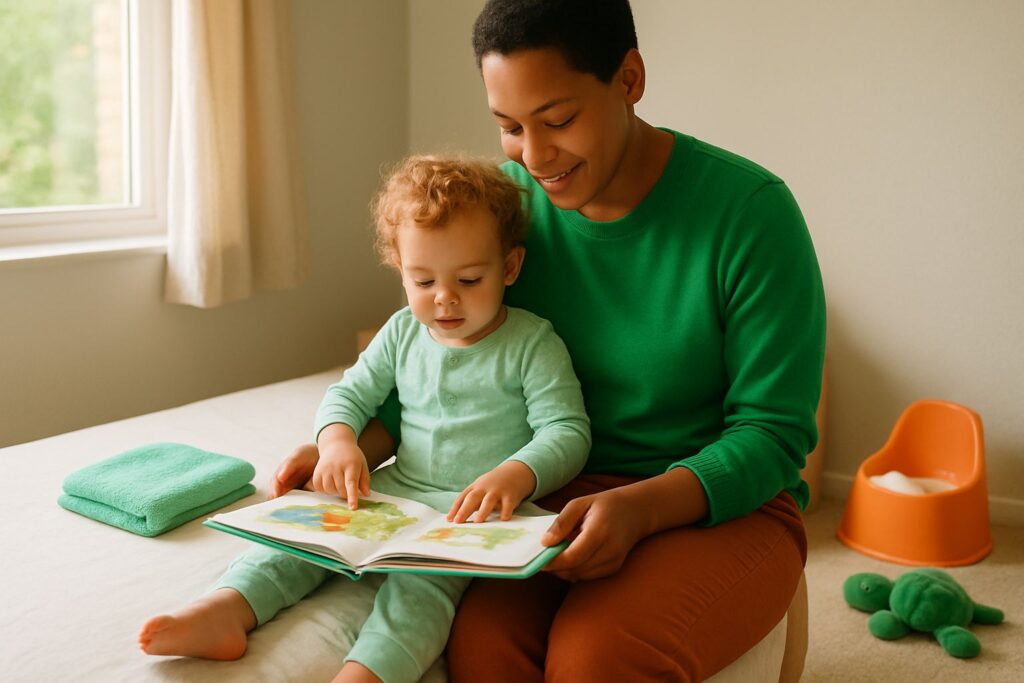
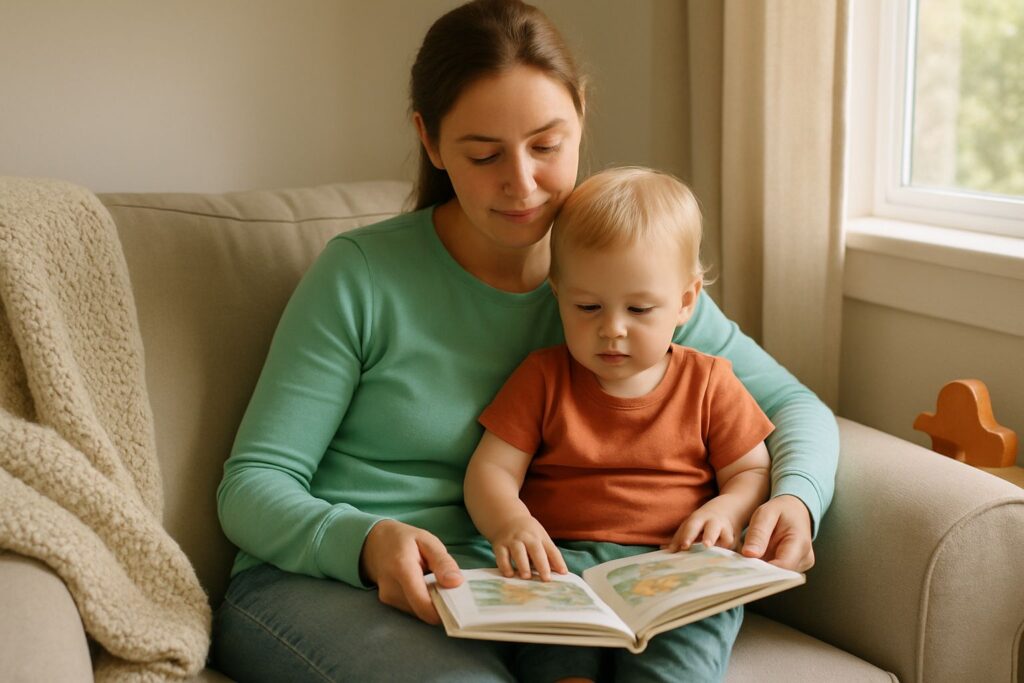
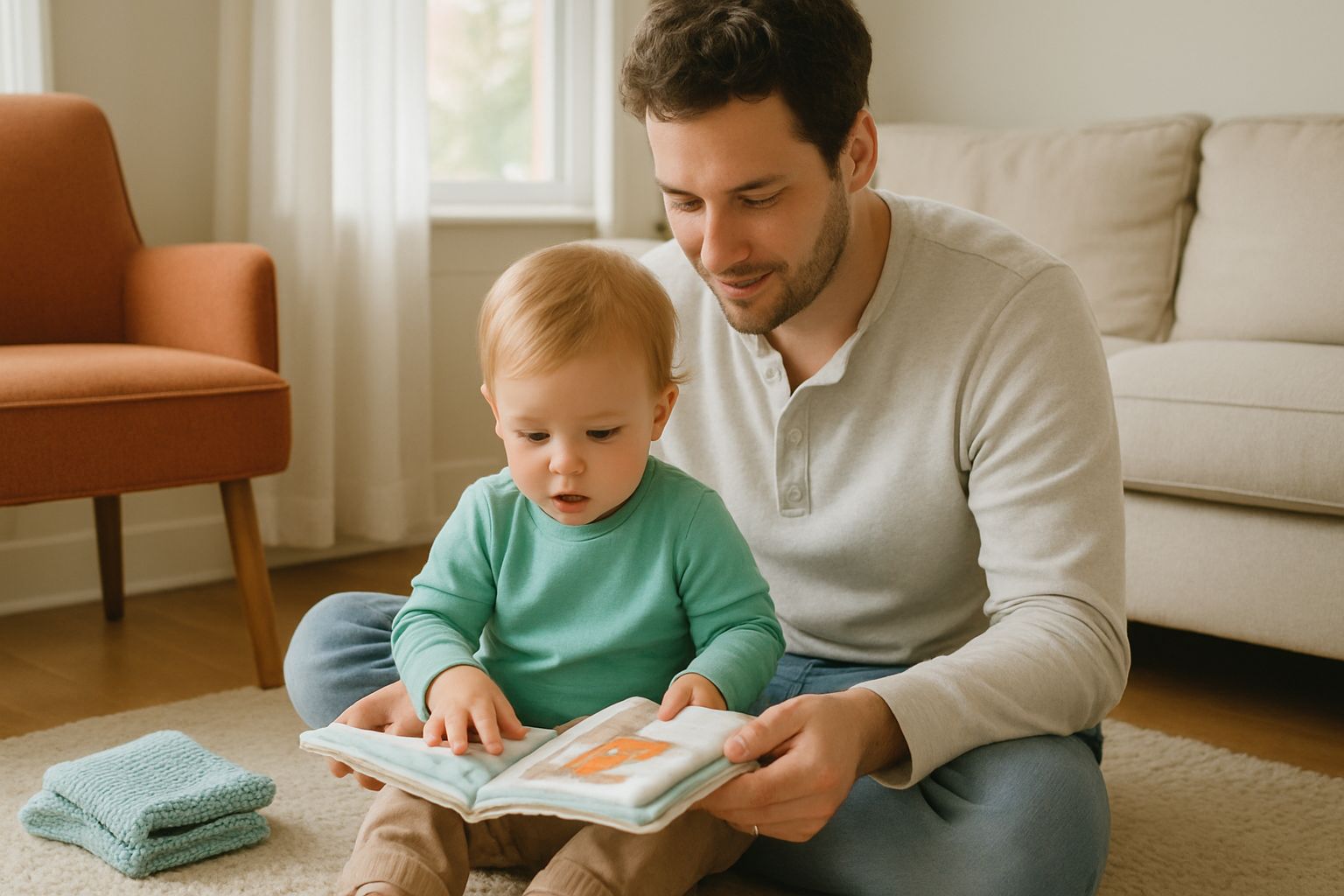
Picture books and simple cards about weeing and pooing do a similar job in a quieter way. Reading together in the weeks before you start builds familiarity with the words and the idea, so nothing feels sudden on day one.
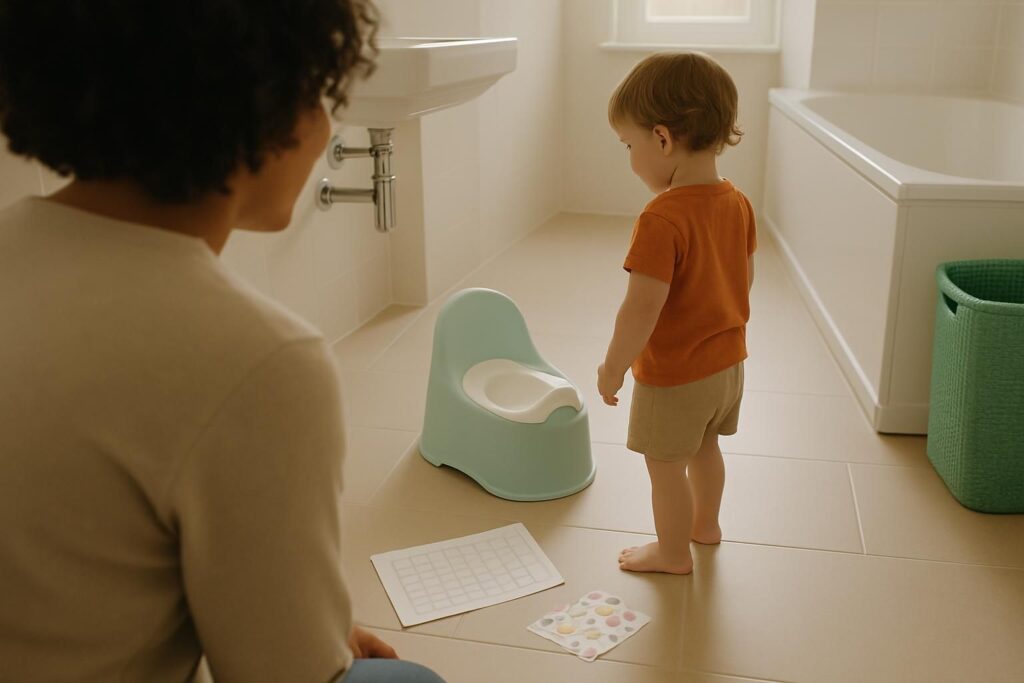
A doll or teddy sitting on its own small toy potty next to the real one can help a nervous toddler feel less alone in the room. It is a small prop, not a lesson, and it works best when it stays in the background rather than becoming the main event.
Small, quick rewards you supply yourself, such as blowing bubbles together, a sticker, or a tiny figure, do more than a big toy ever will, because they arrive straight after the success and are gone in a moment. A big toy saved up as a prize tends to become the thing the child is thinking about instead of their own body.
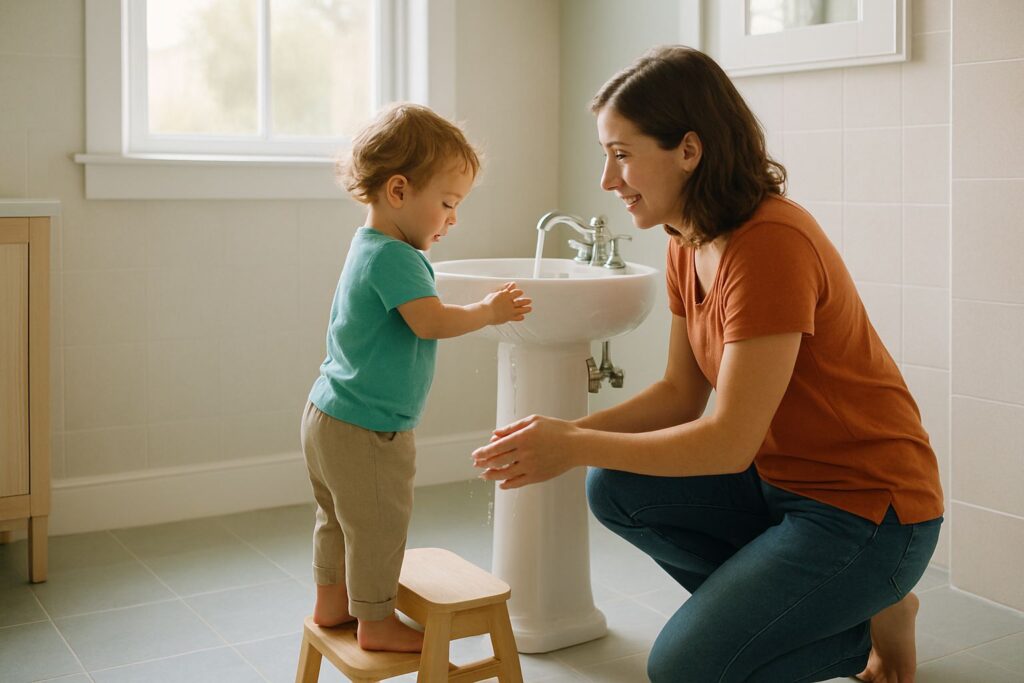
None of this matters as much as the equipment the child actually uses. A potty, a toilet seat reducer for once they move to the big toilet, and a step stool so they can get up and manage independently do more for confidence than any toy on the shelf, and are worth choosing with the child rather than left as an afterthought.
Which toys quietly make it harder
A tablet, phone or television on or near the potty is the single biggest problem in this category. A toddler engrossed in a screen stops noticing their own body, which is the opposite of what potty training needs them to learn. If a child needs a screen to sit still, they are usually not being asked to sit for the right amount of time.
Toys that keep a child sitting for ten or fifteen minutes are working against the Potty Training Box Method, not for it. Three to five minutes is usually plenty. A longer sit does not produce more success, it just teaches a child that the potty is somewhere you wait rather than somewhere you go.
Novelty pooping toys, such as the popping turtle or the exploding toilet game, are genuinely fun and there is nothing wrong with owning one. But they teach a child nothing about their own signal to go, because the toy does the pooping for them. Treat them as a game for another day, not part of the plan.
Noisy musical potties that play a tune when the child sits down reward the sitting, not the going. A child quickly learns to sit for the music rather than to notice the urge, which is the exact habit you are trying to avoid.
Any toy that becomes something the child negotiates over, ‘I’ll sit if I get the toy first’, has stopped being a toy and become a bribe. If you notice a toy is being used as leverage rather than encouragement, it is worth quietly removing it.
A simple rule of thumb covers most of this: if a toy takes attention away from the child’s own body, it is working against you, however entertaining it is.
| Toy or item | What it actually does | When to use it |
|---|---|---|
| Wetting doll | Lets the child rehearse the whole sequence safely | In the days before starting |
| Favourite teddy on its own potty | Takes the pressure off the real attempt | Around day one, in the background |
| Picture book about the toilet | Builds familiarity with the idea and words | Weeks before, and any time it helps |
| Tablet or phone | Distracts from the body’s own signal | Never, on or near the potty |
| Musical potty | Rewards sitting, not going | Best avoided |
| Novelty pooping toy | Fun, but teaches nothing about the child’s signal | Play, not training |
| Sticker card | Visible, growing record of real progress | Straight after every success |
| Small immediate reward | Recognition that arrives fast and fades to praise | Straight after every success |
How to use a potty training doll properly (a short rehearsal, not a lesson)
A potty training doll works best used in the few days before you start, not partway through a week when things feel wobbly. Introducing it once accidents have already started can confuse rather than help.
Let the child give the doll a drink, wait with it, then have the doll say it needs a wee before it sits on its own small potty. Clap and praise the doll exactly as you plan to praise your own child, using the same simple words you intend to use for real.
Let the child lead the play rather than directing it. If they want the doll to go again straight away, or want to skip the sitting altogether, that is fine, it is rehearsal, not a test.
Keep the whole thing to a few minutes and stop while it is still enjoyable. A doll session that drags on teaches nothing extra and risks the child losing interest before the real thing has even started.
When the doll has an accident, clean it up calmly in front of the child, exactly as you would a real one. This is where you can quietly model that accidents are a normal part of learning, not something to be upset about.
As the real programme moves the child from potty to toilet, move the doll’s play the same way, so the pretend version always sits one step ahead of what the child is actually doing.
Toys, rewards and stickers: which does what?
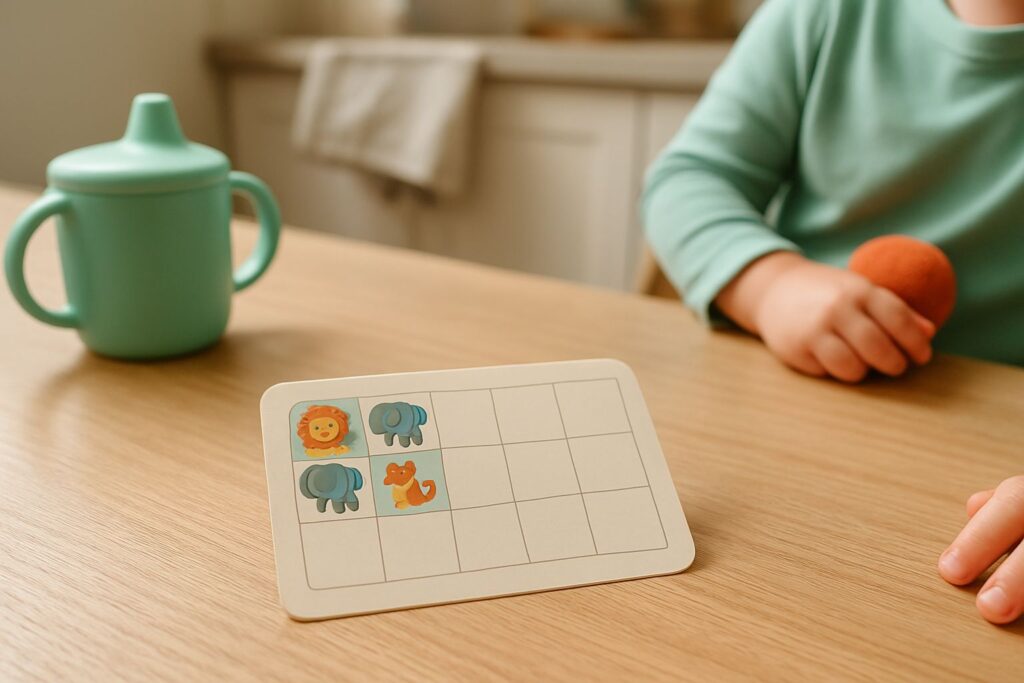
A toy is rehearsal, a reward is recognition of something that has just happened, and a sticker is a visible record that progress is building. Parents often lump all three together, but they do different jobs and work best kept separate.
A reward that arrives quickly at the very start matters, because a toddler needs to see fast that the new thing works. It should then become gradually rarer rather than stopping suddenly, so the habit outlasts the reward instead of collapsing the moment it disappears.
Praise costs nothing and works reliably, though most parents run out of new ways to say it by day three. This is exactly the gap the Potty Training Box compliment cards are there to fill, a stack of ready phrases for the moments when ‘well done’ has worn thin.
Rewards should be small and immediate, not saved up towards one big toy at the end of the week. A toy held back as a finish-line prize puts the focus on the prize, not on the child noticing their own body, which is the whole point of the exercise.
What the child actually needs to learn (and why no toy teaches it)
The real goal of potty training is the moment a child says, unprompted, that they need to go. Everything else, toys included, is there to get to that moment faster and with fewer tears.
Tracking schedules exist to record when a particular child actually goes, not to impose a timetable on them. A typical schedule notes the time they had a drink, the time they sat on the toilet, whether nothing happened, whether a wee or poo was a success or an accident, and space for notes. That record teaches the parent the child’s own pattern, which is the opposite of training by the clock.
Offering the potty often in the first few days is scaffolding, not the method itself. It gathers information about timing so the parent can step back within days rather than keep offering it forever.
Putting a child on the potty every thirty minutes because a schedule says to is a different approach entirely, and not the one this method teaches. The aim is always to read the child’s own signals, not to override them with a fixed interval.
Giving a drink in one go rather than in sips scattered through the morning matters more than it sounds. Only then can a parent see how much went in and how long it took before the child needed to go, which is exactly the link a tracking schedule is designed to show.
What is in the Potty Training Box, and why there is no toy in it
There is no toy in the box, on purpose. What it contains instead is a day-by-day training programme booklet, seven instruction cards as a daily reminder of what to do, six compliment cards for when praise runs dry, and fourteen tracking schedules for learning a child’s own timing.
It also includes twenty sticker cards across four sizes, three, five, seven and nine squares, used in that order, so the reward comes quickly at first and grows rarer as the child improves. There are a hundred animal stickers, twenty poo stickers, a wee and poo diploma for the child, and a year of access to a community where the brand’s experts answer questions seven days a week.
The parent still needs to supply a potty, a toilet seat reducer, a step stool, at least fifteen pairs of pants, something to protect the mattress and sofa, a handful of small rewards, and pull-ups for sleeping. Finding this out on day one is frustrating, so it is worth having all of it ready beforehand. For a full rundown of what is actually worth buying alongside the box, see what is actually worth buying for potty training.
The box is reusable for a later child, and refill sticker sets, the (Extra) Reward System Potty Training, can be bought separately when the original set runs out or a younger sibling is ready. A parent who only wants the method itself, without the physical cards, can instead choose the Potty Training Box Digital Handbook.
When a toy is a sign to wait rather than push on
A child who is frightened of the potty or the toilet is not ready yet, whatever toys are involved. The honest response is to build familiarity with books and gentle doll play and start properly later, when the fear has eased.
Most of the real learning happens in the first three days at home, with short outings following once things are settling. According to the NHS, most children show signs of being ready to start somewhere between two and three years old, though readiness varies a great deal between children.
Most children are dry in the daytime in about a week using this method, some in as little as three days, others taking two or three weeks. Night-time dryness is a separate matter that tends to come later and is not something any potty training kit, toy or otherwise, promises.
If an attempt genuinely is not working, the method’s own advice is to stop, put everything away for a while, and try again later rather than pushing through a bad run. This pause is part of the approach, not a failure of it.
Children who are autistic, have Down syndrome, or are non-verbal are potty trained successfully with this approach too, usually over a longer stretch and with more time spent reading their individual signals rather than waiting to be told in words.
Some worries do not belong in an article about toys at all. Constipation or holding on to poo can come up around potty training, and ERIC, the Children’s Bowel and Bladder Charity, is clear that ongoing bowel or bladder problems in children should be checked with a GP or health visitor rather than managed at home alone. If your toddler is sitting but nothing seems to happen at all, it may help to read when your toddler will not poo on the potty, and if they are going often but only a little each time, my child keeps weeing small amounts covers that particular worry.
Frequently asked questions
What are the best toys to use during potty training?
A wetting doll for rehearsal, a favourite soft toy that sits alongside the child, and simple picture books about the toilet are the toys that genuinely help. They work best used before or right at the start, rather than during the sitting itself, and none of them replace a day-by-day plan for what to actually do.
Do potty training dolls actually work?
Potty training dolls that wet can help a child rehearse the whole sequence, drinking, sitting, going, before they try it themselves, which is especially useful for children who need to see something happen before they trust it. They work best in the days before starting, used briefly and led by the child, rather than as an ongoing lesson.
What is a good pooping toy for potty training?
Novelty toys like a popping turtle are fun but teach a child nothing about noticing their own signal to poo, since the toy does the pooping for them. If a toddler is struggling to poo on the potty at all, that is a signal question worth answering properly rather than a toy problem.
Should my toddler have a toy or tablet while sitting on the potty?
No, a tablet or screen on the potty distracts a child from noticing their own body, which is the exact skill potty training is trying to build. A quick sit of three to five minutes without a screen works better than a long sit kept entertaining by a device.
Is age 3 too late to potty train?
No, three is a perfectly normal age to start, and the NHS notes readiness varies widely between children rather than sitting at one fixed age. What matters more than the exact age is whether the child shows signs of being ready, such as noticing when they are wet or dirty and being able to follow simple instructions.
Are stickers better than toys as a potty training reward?
Stickers work better than toys as an ongoing reward because they are quick, visible, and easy to give straight after a success without becoming a bribe. A sticker system that starts with a fast reward and gradually asks for more successes before the next one tends to outlast a big toy prize, which a child soon starts negotiating over instead of focusing on the potty.
Ready for the next step?
The Potty Training Box holds the day-by-day programme this article is built on: tracking charts that show you when your child actually needs to go, instruction cards for each day, and a reward system that tapers off on its own.
Sources
This article was written with AI assistance and checked by Dustin van de Sande.