Do Potty Training Dolls Actually Help? What a Weeing Doll Can and Cannot Teach

A potty training doll can help with familiarity, vocabulary and taking the fear out of the potty, especially for an anxious or younger toddler who learns through play. It cannot teach your child to notice their own body’s signal and say it out loud in time, which is the actual skill potty training requires. Use it as a warm up, not a method.
Dolls that drink and wet, like a weeing doll based on a Baby Born or Baby Alive style toy, are a prop. They work best for a toddler who is nervous about the potty or the toilet, or one who learns everything through pretend play before they’ll try it themselves. They do very little for a child who already understands exactly what the potty is for and simply isn’t ready yet, because the gap there isn’t knowledge, it’s readiness.
What a weeing doll can genuinely teach your toddler
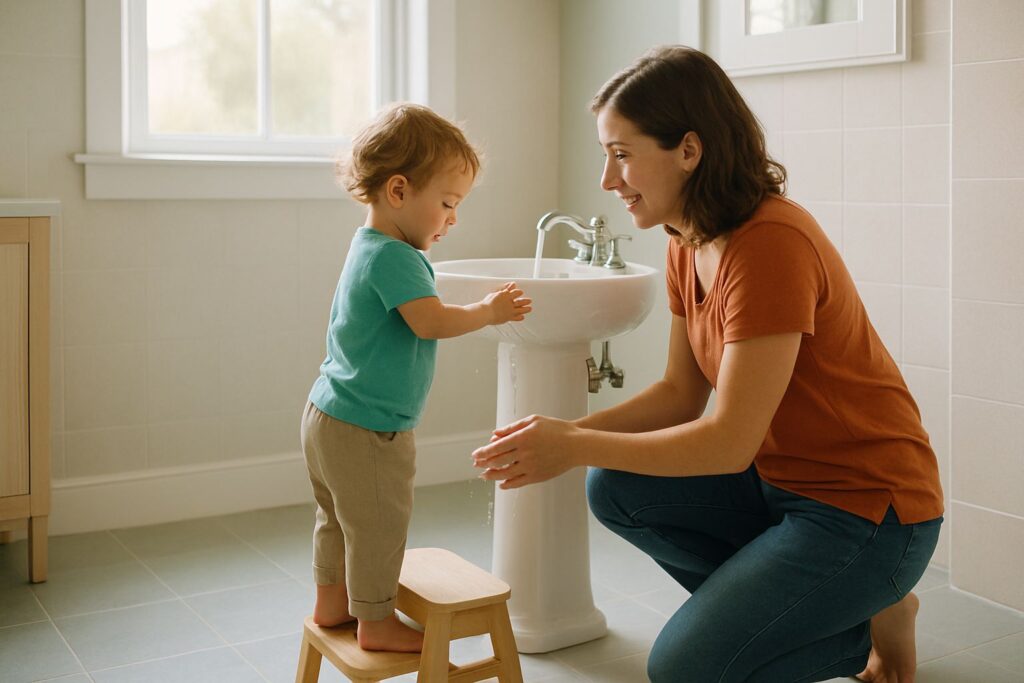
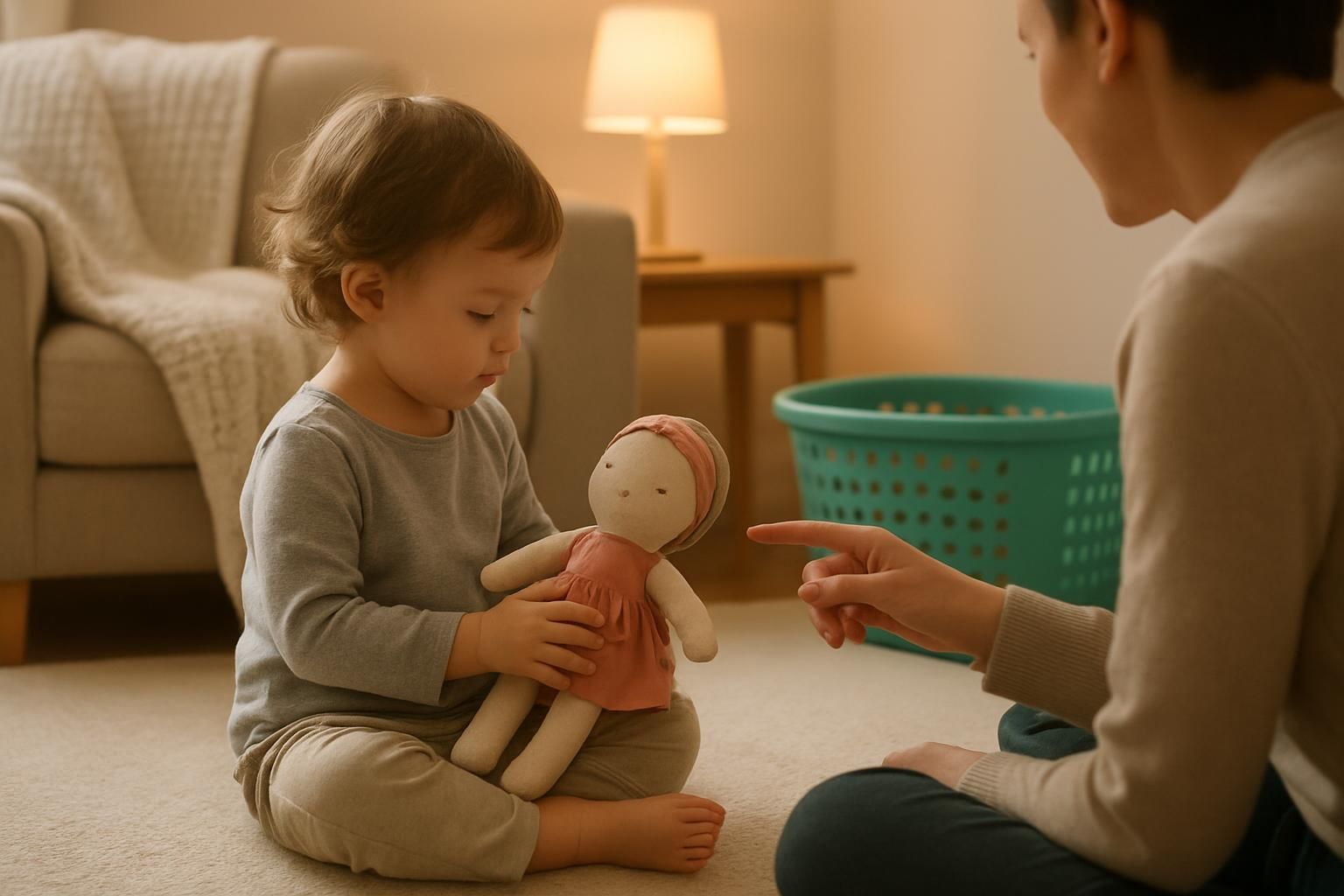
A weeing doll can show your toddler the whole sequence in a way that feels like play rather than instruction: drink, sit on the potty, wee, wipe, flush, wash hands. Watching a doll go through the steps in order, over and over, without any pressure on them, helps a child who learns by repetition build a mental map of what’s supposed to happen.
- Shows the full sequence: drink, sit, wee, wipe, flush, wash hands
- Gives your child words for a feeling in their body they can’t yet describe
- Flips the roles, your child becomes the helper rather than the one being watched, which lowers the pressure
- Lets your child rehearse the whole thing without being the one on the potty
- Takes the fear out of a noisy flush or a toilet that feels too big, for a child who’s nervous of either
That role reversal is often the real value. A toddler who feels watched on the potty can feel differently about helping a doll do the same thing, because nobody is checking on them. It’s a low stakes rehearsal, and for a genuinely anxious child that rehearsal matters.
What a doll cannot teach, and why that matters most
A doll wees on a button press or a squeeze. Your child wees on a body signal they have to learn to notice themselves, and that noticing cannot be modelled by a toy, only practised by a child whose nappy is off. This is the single biggest thing a doll can’t do, and it’s why parents often tell us the doll gets played with happily for days while the child is still having accidents on the floor.
The doll also can’t teach holding on, which is a skill that develops with practice, not with watching. And it can’t teach your child to say it out loud in time, because that depends on them actually feeling the need and choosing to tell you, something a toy never has to do. Watching the sequence is not the same as doing it: the learning happens the moment the nappy comes off and your child has to notice something themselves, with nobody doing it for them.
So set your own expectations before you buy one. A doll is useful in the fortnight before you start, as a way to build familiarity and vocabulary. It is not the plan for the week itself, and treating it as one tends to leave parents disappointed when the doll’s good manners don’t transfer.
Doll, book, video or a plan: what each one is for
Different props do genuinely different jobs, and knowing which is which saves you buying the wrong thing for where you actually are. The table below is a quick way to see it.
| Prop | What it actually does | When to use it |
|---|---|---|
| Weeing doll | Models the sequence, builds vocabulary, lowers fear | The week or two before you start |
| Picture book | Familiarises your child with the idea in a calmer, quieter way | Any time, including alongside a doll |
| Sticker reward system | Rewards real progress once your child is actually trying | During the training itself |
| Full day by day plan | Tells you what to do, including on the days that go badly | The training week and beyond |
Some links in this article are affiliate links, which means we earn a small commission if you buy through them. It costs you nothing extra and does not affect what we recommend.
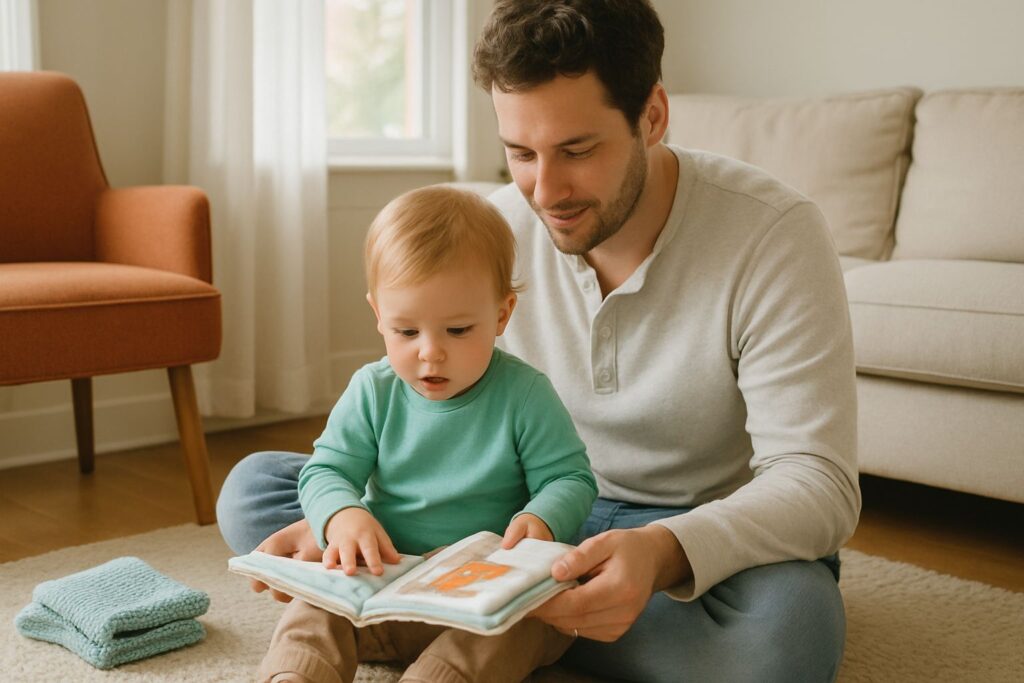
If you’d rather a quieter alternative to a toy, a picture book such as Pirate Pete’s Potty does a similar job of familiarising your child with the idea without any batteries or mess. For a wider look at what’s actually worth buying before you start, this piece on potty training toys that actually help goes through the whole shelf, and this one covers what is actually worth buying for the week itself.
How to use a potty training doll properly in the week before you start
Introduce the doll a week or two before you plan to start, during ordinary play, with no pressure attached. Let your child find it in the toy basket rather than presenting it as a lesson, and don’t mention the potty you’ll be using until they bring it up themselves.
Narrate out loud as your child plays: the doll notices, the doll says it, the doll goes. The phrase worth modelling is the same one the method itself uses, ‘you tell me when you need a wee’, said to the doll in play so your child hears it before they ever hear it directed at them.
Let your child lead the play rather than running it as a drill. If they want the doll to drink ten cups of pretend juice in a row, that’s fine, the point is familiarity, not accuracy. Once the training week itself starts, put the doll away as a daily prompt, so your child’s attention goes onto their own body rather than onto managing a toy’s routine as well as their own.
If your child is genuinely wary of the potty or the toilet itself, rather than just new to the idea, it’s worth watching something together rather than only playing.
If the fear runs deeper than nerves about something new, for example a child who is frightened specifically of pooing, this article on a toddler who will not poo on the potty is worth reading before you start anything.
Is your child ready, or are you buying a doll to delay the decision?
It’s worth being honest with yourself about which question the doll is answering. Some common signs a toddler is ready include staying dry for longer stretches, showing interest in the toilet or bathroom, being able to pull their own pants down, following a simple instruction, and telling you when their nappy is wet.
A child who is genuinely frightened of the potty or the toilet is not ready yet, whatever their age. The honest move there is to build familiarity first, the doll can help with exactly that, and start the training properly later. The box, or any plan, keeps until then.
A child who is already ready doesn’t generally need a doll to persuade them, they just need the chance. If you’re not sure which situation you’re in, a short readiness quiz is the quickest way to find out.
What actually gets a child out of nappies in about a week
What gets most toddlers dry in the daytime in about a week isn’t a toy, it’s a plan that tells you what to do on day one, day two and day three, including the days that go badly. The Potty Training Box is built around exactly that: a programme booklet that coaches you through the week, daily instruction cards, tracking schedules that record this particular child’s own timing, and a sticker reward system that builds in steps, plus a year of access to a community where questions get answered when things don’t go to plan.
This is the Potty Training Box Method: the first three days are spent at home, where a child learns the most, short outings follow once things are settling, the potty is used before the toilet, and the aim throughout is for your child to learn to signal the need themselves and to hold on a little longer each time. The tracking schedules are central to this, they record when this particular child actually drinks, sits and goes, including a note on whether nothing happened, so you learn their own timing and signals rather than running them to a fixed clock. For the schedule to actually show you anything, a drink is best given as one full cup in one go rather than sipped across the morning, so the link between how much went in and how long until they need a wee is visible on the page. There’s a free tracking chart if you want to see the layout before you start.
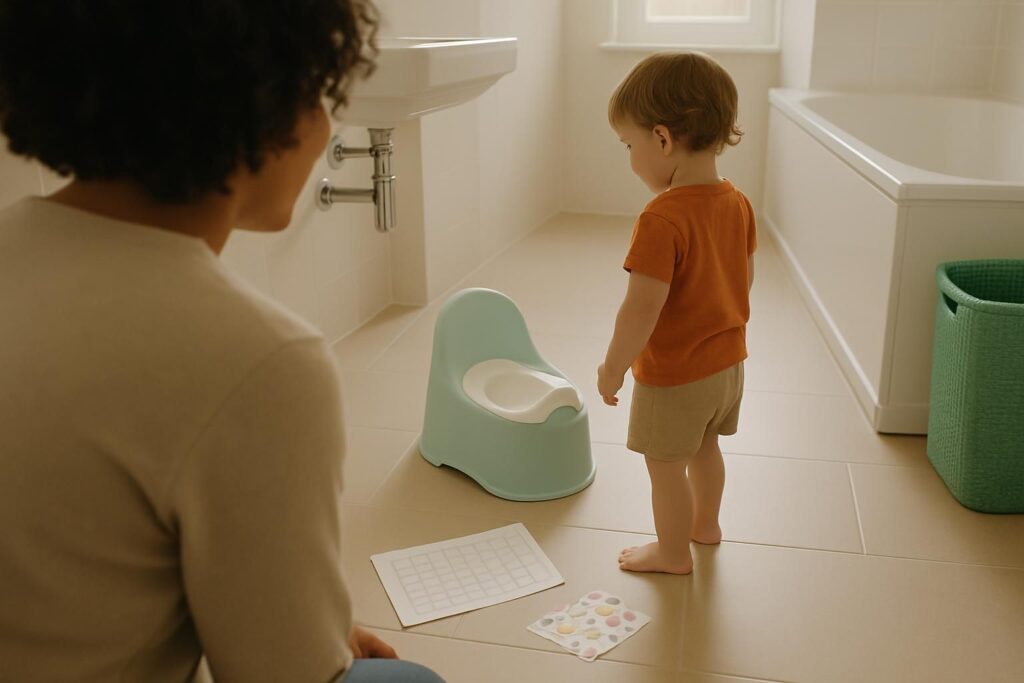
The sticker cards come in four sizes, three, five, seven and nine squares, used in that order, so the reward lands quickly at first and then becomes rarer as your child improves, which is what lets the habit outlast the stickers rather than stopping the moment they do. There’s a wee certificate and a poo certificate for your child at the end. Training itself works with the nappy off and ordinary cotton pants rather than training pants, because a child feels wet through cotton in a way they don’t through a padded pull up, and that feeling is part of what teaches them.
Most children are dry in the daytime in about a week using this approach. Some manage it in three days, others take two or three weeks, and night-time dryness is a separate skill that usually follows on its own, sometimes a good while later, according to the NHS. Alongside the box, it’s worth having a potty ready, a toilet seat reducer and a step stool for the move to the toilet, and plenty of pairs of pants, this piece on choosing between a potty or a toilet seat reducer covers that decision. If you’d rather try it your own way without the full box, a standalone reward system with the same graduated sticker cards is sold separately. For a wider look at whether a structured kit is worth it at all, this article on whether potty training kits actually work covers that question properly.
Which days are hardest, and what to do when the doll stops being interesting
Day four or five is usually the hardest day, not day two. By then your child is often bored of hearing ‘you tell me when you need a wee’ so often, and some resistance is completely normal rather than a sign anything’s gone wrong.
The fix is to say it less often and hand more of the responsibility back to your child, letting them come to you rather than you prompting constantly. The exceptions worth keeping, during training and afterwards, are before and after sleep, and before you leave the house, those are the moments it still makes sense to check, even once the week itself is long over.
Accidents through the week are part of the learning, not a sign of failure, and treating them that way keeps both of you calmer. If a particular attempt is clearly not working after a genuine try, the method’s own advice is to stop and leave it a few weeks before trying again, rather than pushing through a week that isn’t landing.
Frequently asked questions
Do potty training toys work?
Potty training toys, including weeing dolls, can genuinely help with familiarity, vocabulary and reducing fear of the potty or toilet. They don't teach the actual skill, which is noticing a body signal and saying it in time, so they work best as preparation before the training week rather than as the training itself.
What age is a potty training doll useful?
A potty training doll tends to help most between about eighteen months and three years, particularly for a toddler who learns through pretend play or who feels nervous about the potty. An older child who already understands what the potty is for usually gets little extra from one, since the issue for them is readiness, not understanding.
Is a weeing doll hygienic, and how do you clean it?
Most weeing dolls use plain water rather than anything that needs special cleaning, and the manufacturer's instructions that come with the doll will cover how to rinse and dry the internal mechanism properly. Always follow the specific doll's care instructions rather than general guesswork, since mechanisms vary between brands.
What is the hardest age to potty train?
There's no single hardest age, readiness varies a lot between children of the same age. What tends to matter more than age itself is whether your child shows the usual readiness signs, staying dry for longer, interest in the toilet, following simple instructions, and a child who shows fear rather than disinterest usually needs more time before starting, whatever their age.
Does a potty training doll work for boys as well as girls?
Yes, a weeing doll works the same way regardless of whether your own child is a boy or a girl, since the point is modelling the sequence and the vocabulary, not matching the doll's sex to your child's. Some families prefer a doll that matches, purely because it feels more relatable to the child, but it isn't necessary.
My child plays with the doll but still will not use the potty, what now?
This is common and doesn't mean the doll failed, it means the doll did its job of building familiarity while the actual skill, noticing their own signal, still needs practising with the nappy off. Put the doll aside as a daily prompt and focus on a proper plan for the week itself, with plenty of chances to practise and no pressure around accidents.
Ready for the next step?
The Potty Training Box holds the day-by-day programme this article is built on: tracking charts that show you when your child actually needs to go, instruction cards for each day, and a reward system that tapers off on its own.
Sources
This article was written with AI assistance and checked by Dustin van de Sande.