Potty or Toilet Seat Reducer: Which Do You Actually Need to Start?

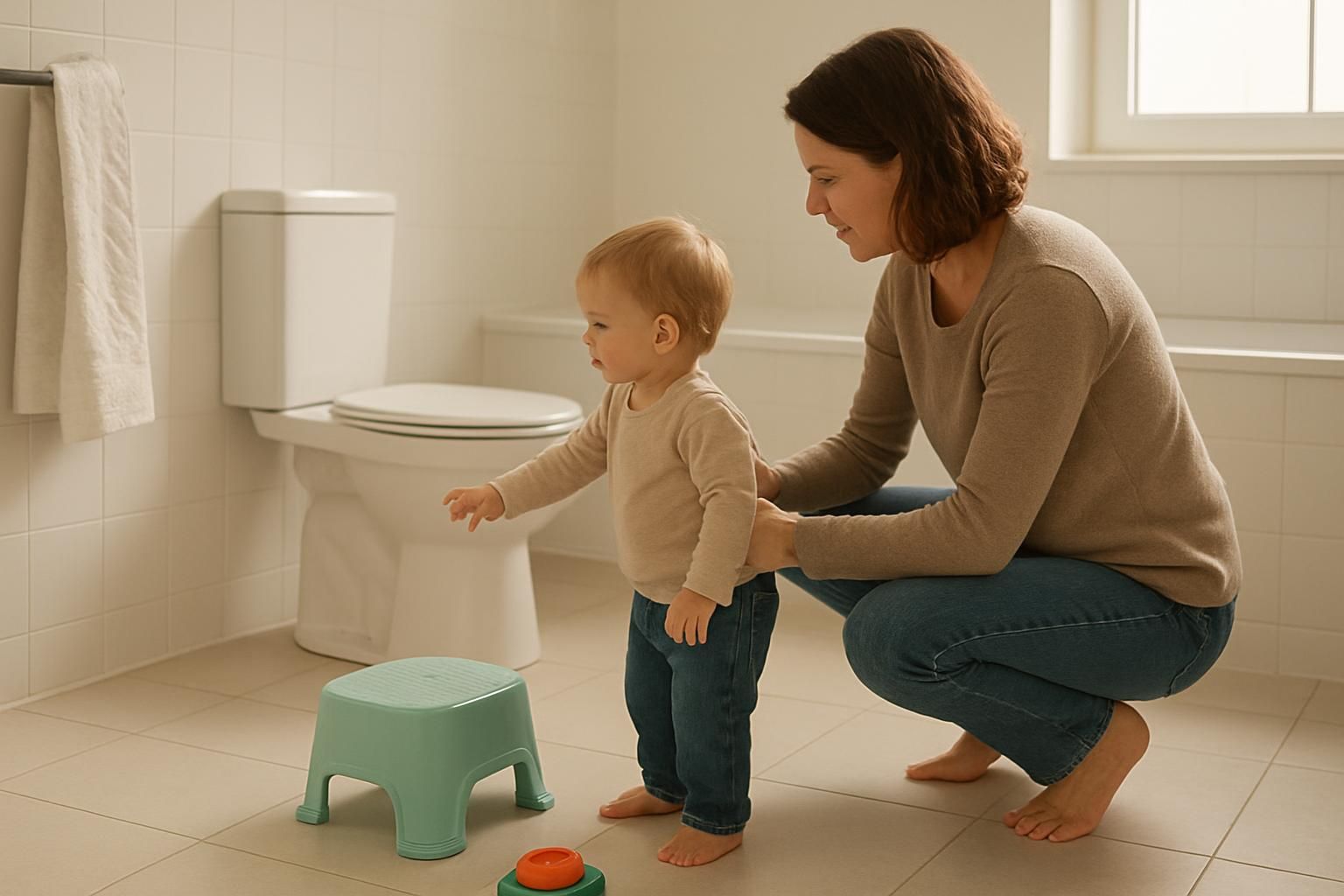
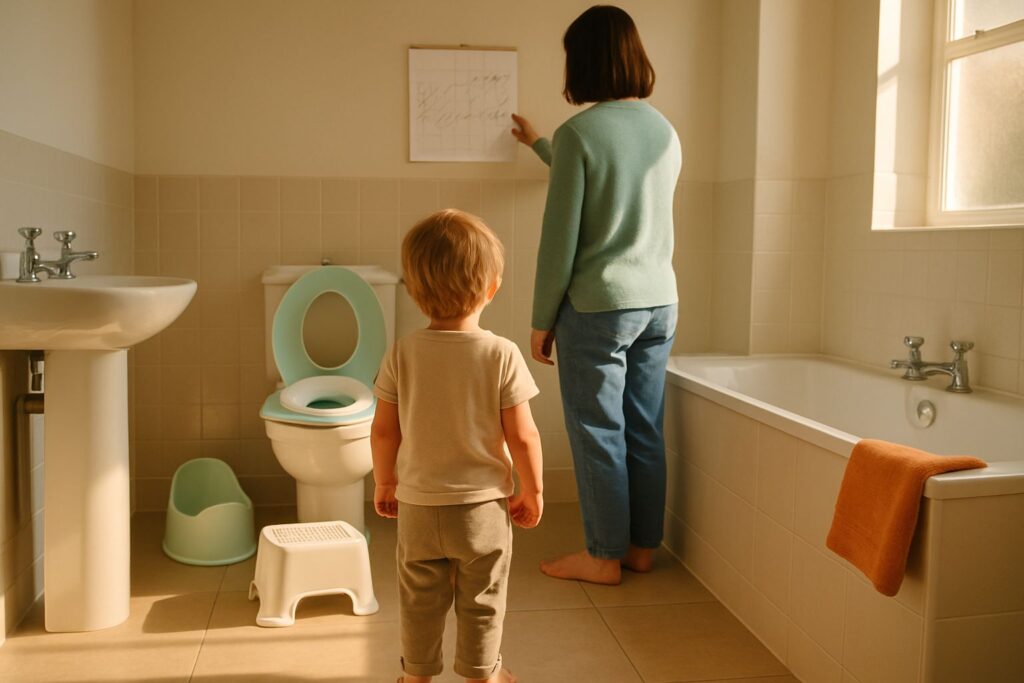
Most parents end up needing both: a potty for the first few days of training, then a toilet seat reducer and step stool as your child moves on to the toilet. Start with the potty, since it is where your child already is, with no climbing, no balancing and no fear of falling in.
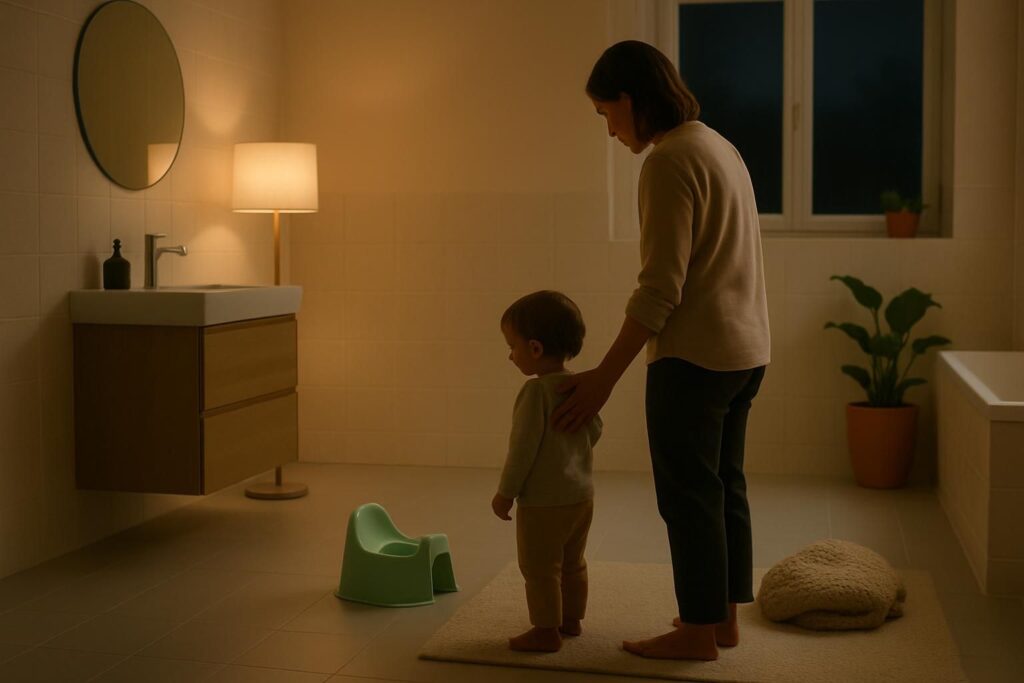
A seat reducer is not optional in the longer run, because the end goal is always the toilet, not a lifetime on a plastic bowl on the floor. The reason the potty comes first is purely practical: for the first three days of training, you stay at home, and you want the toilet equivalent to be wherever your child is playing, not down a hallway. A potty can sit in the living room. A toilet cannot.
Why the first three days are mostly potty, and what changes after that
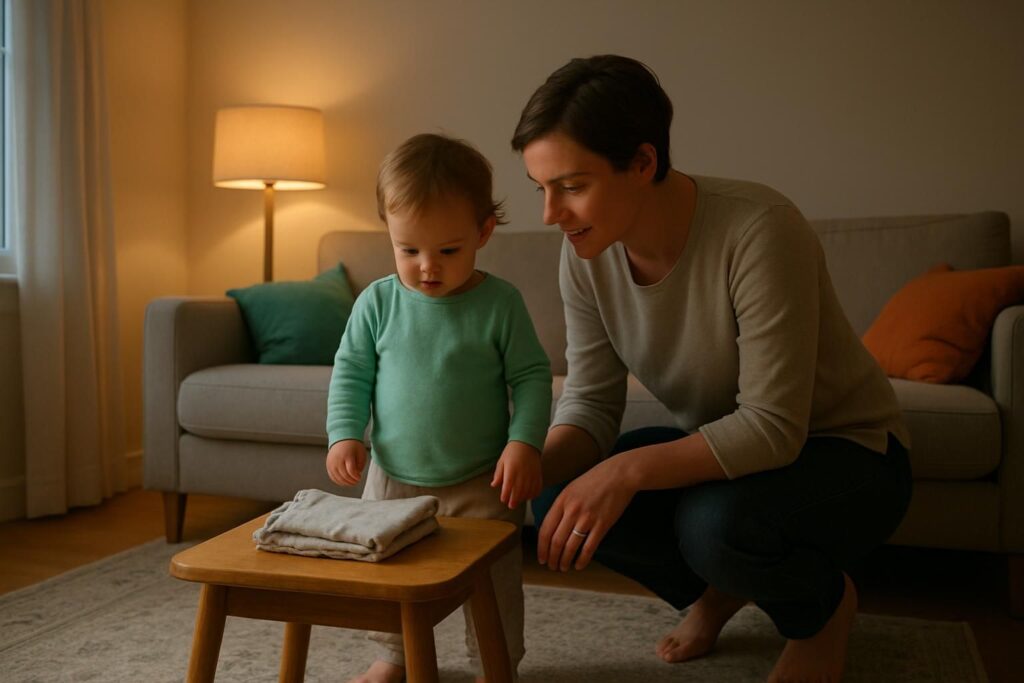
The first three days are spent at home because that is when a child learns fastest, with no nursery run, no car seat, no public loos to navigate. The potty stays in the room your child is in, so there is no journey between noticing the feeling and getting there in time, which matters enormously when a toddler’s warning window is often seconds rather than minutes.
Short outings start after those first few days, and that is when the toilet, the reducer and the step stool start to matter, because you cannot carry a potty into every café and soft play. This is the structure behind the Potty Training Box Method: a day-by-day programme that runs over roughly a week, starts the child on the potty at home, moves them to the toilet as confidence builds, and works towards the child telling you they need to go rather than being asked constantly.
Be honest with yourself about pace. Some children are dry in the daytime within three days, most take about a week, and some need two or three weeks, which is still a normal result and not a sign anything has gone wrong. If you are weighing up timing rather than kit, when to make the switch from potty to toilet covers that question directly.
What a toilet seat reducer actually does (and what it does not fix)
A toilet seat reducer is a smaller seat that sits on top of the ordinary adult toilet seat so a toddler does not slip into the gap. That is its entire job: closing the size difference between an adult seat and a small child.
A wobbly, badly fitted reducer is often what makes a toddler refuse the toilet outright, as many parents find out the hard way. If a seat shifts or tips the moment a child puts weight on it, they learn in one go that the toilet is unsafe, and that fear is hard to undo. Look for a non-slip underside and a snug, stable fit rather than anything that simply balances on top.
What a reducer does not do is fix fear on its own, and it never solves a child’s ability to get up there unassisted. A reducer without a step stool means your child still has to be lifted onto the toilet every single time, which works against the whole point of the method: getting your child to the stage where they can go by themselves once they feel the need.
Why the step stool matters more than parents expect
A step stool is what lets a toddler get their feet flat and supported while sitting, which makes it genuinely easier to push, particularly for a poo. Feet dangling in mid-air is uncomfortable and makes the muscles involved harder to use, which is one reason some children hold on rather than go.
A stool also means your child can climb up and down without calling you in every time, which is exactly the independence the whole approach is working towards. Height matters here: aim for knees level with or slightly above the hips rather than legs hanging straight down. For more detail on why this position makes such a practical difference, see the best sitting position on the potty or toilet.
Potty vs seat reducer vs 2-in-1: which suits your child?
There is no single right answer here, only the right answer for your child and your house. A few things worth weighing up: your child’s age and size, whether your home has stairs between the living areas and the bathroom, whether your child has already shown curiosity about the big toilet, and how much space your bathroom actually has.
| Option | Best for | Main drawback |
|---|---|---|
| Potty | Days 1 to 3 at home | Does not travel well for outings |
| Toilet seat reducer and step stool | Outings and the longer term | Needs a child who can climb up safely |
| Both | Most children over the full week | Two things to buy, wash and store |
Some children skip the potty almost entirely and want to go straight onto the toilet from day one, and if that is genuinely what your child prefers, there is nothing wrong with letting them. Others find the flush frightening, loud, or unpredictable, and do far better staying on the potty for longer before moving across. A 2-in-1 seat that folds flat or converts between potty and reducer is convenient to store, but it is not automatically the better choice just because it does two jobs.
Which potty and seat reducer are worth buying?
The features that matter are the same whatever the price tag: a stable base that does not tip, a splash guard at the front if you have a boy, a surface that wipes clean easily, and no small removable parts that can go missing in a nappy bag. An expensive potty does not train a child any faster than a simple one that meets those basics, so there is no need to overspend.
Some links in this article are affiliate links, which means we earn a small commission if you buy through them. It costs you nothing extra and does not affect what we recommend.
For a straightforward, stable potty, the BabyBjörn Potty Chair is a solid, no-fuss option. For the toilet, the Dreambaby Non-Slip Toilet Seat is designed with grip in mind, which is the single feature worth prioritising. If you would rather sort the step stool at the same time, the Dreambaby 2-Up Step Stool gives a wide, stable base for climbing up and down unaided, and the Dreambaby Toilet Seat and Step Stool Set is a reasonable 2-in-1 if storage space is tight. For the wider picture on what else is genuinely worth buying before you start, what is actually worth buying runs through the rest of the kit.
What else you want ready before day one
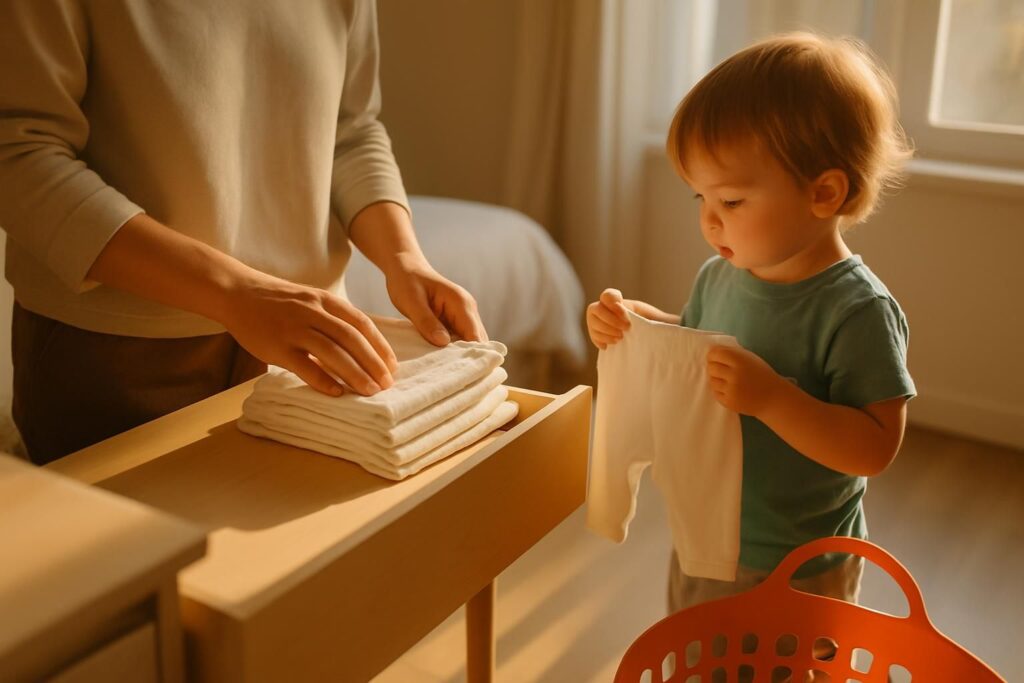
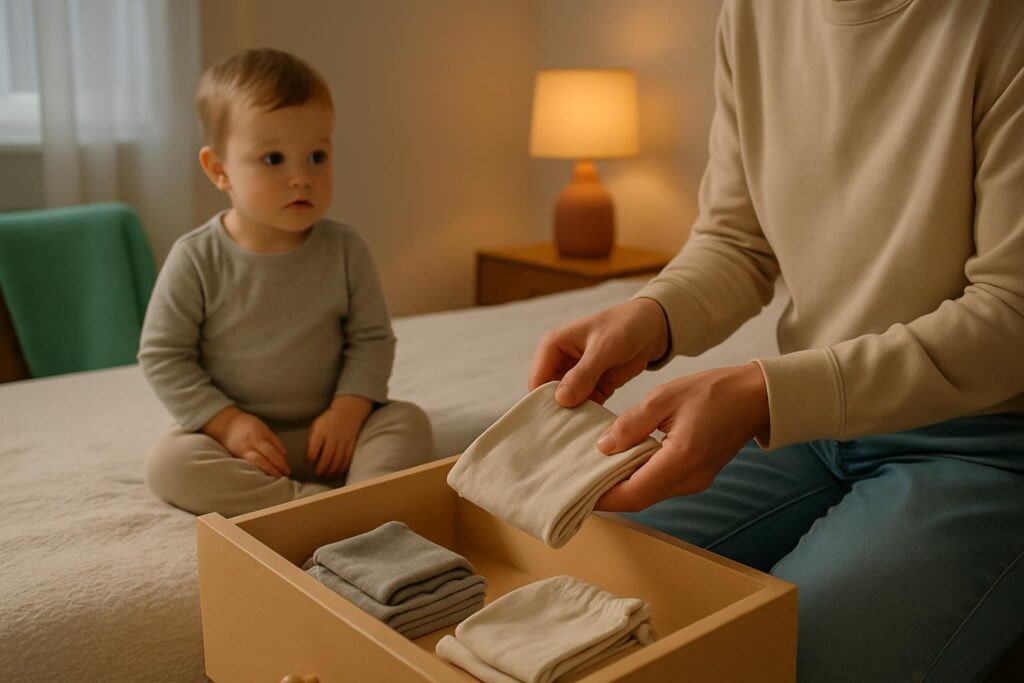
Alongside whichever potty or reducer setup you choose, it helps to have at least 15 pairs of ordinary cotton pants ready, something to protect the mattress and the sofa, a handful of small rewards, and pull-ups for sleeping, since night dryness is a separate skill that usually follows daytime dryness on its own.
Cotton pants rather than padded training pants matter here because your child needs to actually feel it when they are wet. A thick, absorbent training pant feels too much like a nappy, and that sensation of wetness is part of what teaches the connection between the feeling and the action. For the full breakdown, how many pairs of pants you need covers quantities and fabric in more depth, and what to do in the week before day one is worth reading if you are still a week or more out from starting.
Is your child ready for either of them?
Signs worth watching for include staying dry for longer stretches between changes, telling you during or just after a wee or a poo, showing interest in the toilet or in watching you use it, and being able to pull trousers up and down mostly unaided. None of these is a guarantee on its own, but together they suggest your child’s body and attention span are catching up with the task.
A child who is frightened of the potty or the toilet is not ready yet, whatever their age. The honest move is to build familiarity first, with no pressure to perform, and start the training itself later. The box or the equipment will still be there when your child is.
Take the readiness quiz to get a clearer read on where your child is right now.
If your child seems genuinely wary of the potty itself rather than just unsure, this short video is worth watching together before you push ahead:
If you are not even sure you are in the right age window yet, the 18 to 30 month window is a good place to check before buying anything at all.
Where the Potty Training Box fits with the kit you buy
The Potty Training Box gives you the day-by-day programme and the reward structure that runs through the whole week: a programme booklet, seven instruction cards as a quick daily reminder, six compliment cards for when you have run out of ways to say well done, fourteen tracking schedules, twenty sticker cards that run through sizes of three, five, seven and nine squares in that order, a hundred animal stickers and twenty poo stickers, a wee certificate and a poo certificate, and a year of access to a community where the brand’s experts answer questions seven days a week. Alongside it, you set up a potty, a seat reducer and a step stool yourself, in whichever combination suits your child and your home.
The tracking schedules are worth understanding properly, because it is easy to read them the wrong way round. They exist to record when your particular child actually goes, so you learn their own timing and signals, not to impose a fixed schedule on them. The potty and the toilet you set up alongside the box are simply what your child uses while that picture builds.
If you would rather run your own version without the full programme, separate reward systems with their own sticker cards are also sold on their own, which some parents prefer if they already know roughly what they are doing and just need the rewards side sorted.
Frequently asked questions
Do I need both a potty and a toilet seat reducer, or can I just buy one?
Most families use both, but not at the same time: the potty does the work in the first few days at home, and the toilet seat reducer plus a step stool take over once short outings start and your child begins using the toilet regularly. If your child is already happy to go straight onto the toilet, you can skip the potty, but a reducer is still worth having since the toilet is the end goal either way.
Are seat reducers worth it for potty training a toddler?
Yes, a stable, non-slip seat reducer makes a real difference, because a wobbly seat is a common reason parents find their toddler refusing the toilet outright. It will not fix fear of the toilet on its own and does not replace a step stool, but a secure seat removes one genuine physical obstacle.
Can my toddler skip the potty and go straight to the toilet?
Yes, some children show no interest in the potty and want the toilet from day one, and that is fine if your child is comfortable with it and can get on and off safely with a step stool. The usual reason to start on the potty instead is that it can sit in the room your child is already playing in, which matters most in the first few days.
What age do you need a toilet seat reducer until?
There is no fixed cut off age, since it depends on when your child's own bottom is large enough to sit securely on the adult seat without one. Many parents find they stop needing a reducer somewhere between three and five years old, and it is usually obvious because the child starts asking to sit without it.
My toddler is scared of the toilet, what should I do?
Build familiarity first rather than pushing ahead: let them sit on it clothed, flush it themselves if the sound is the issue, and watch you use it without any pressure to perform. A child who is frightened of the toilet is not ready for that part of training yet, and it is better to wait and try again once the fear has eased than to force it.
How many pairs of pants do I need for potty training?
Most parents find at least 15 pairs of ordinary cotton pants is a realistic number to get through the first week without constant washing. Cotton rather than padded training pants matters because your child needs to actually feel being wet, which is part of what teaches them to notice the sensation and act on it.
Ready for the next step?
The Potty Training Box holds the day-by-day programme this article is built on: tracking charts that show you when your child actually needs to go, instruction cards for each day, and a reward system that tapers off on its own.
Sources
This article was written with AI assistance and checked by Dustin van de Sande.