Potty Training Toys: Which Ones Actually Help (and Which Just Distract)

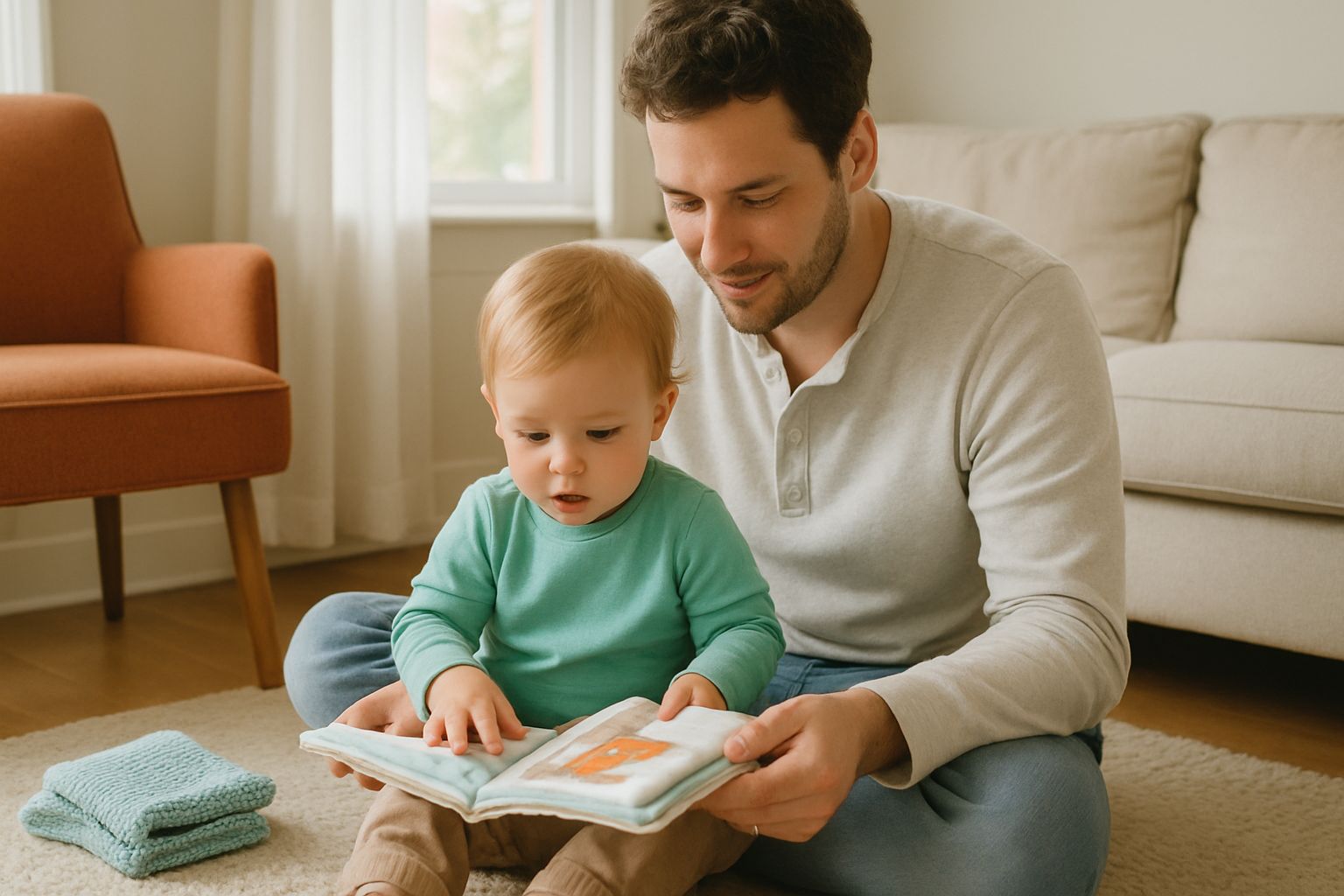
Some potty training toys help, most do not do what the packaging suggests. Dolls, picture books and short videos build familiarity before you start. Toys handed over during a potty sit mostly distract rather than teach. What actually moves a child out of nappies is a clear plan plus a reward the child understands, not a gadget.
That is not a reason to feel you have wasted money on the musical potty in the cupboard. It just helps to know what each item is actually for, so you buy with a purpose rather than hope. Most children manage daytime dryness in about a week with a structured plan, some in three days, others in two to three weeks, and a child who is not ready yet should wait rather than start.
Which potty training toys help, and what each one actually does
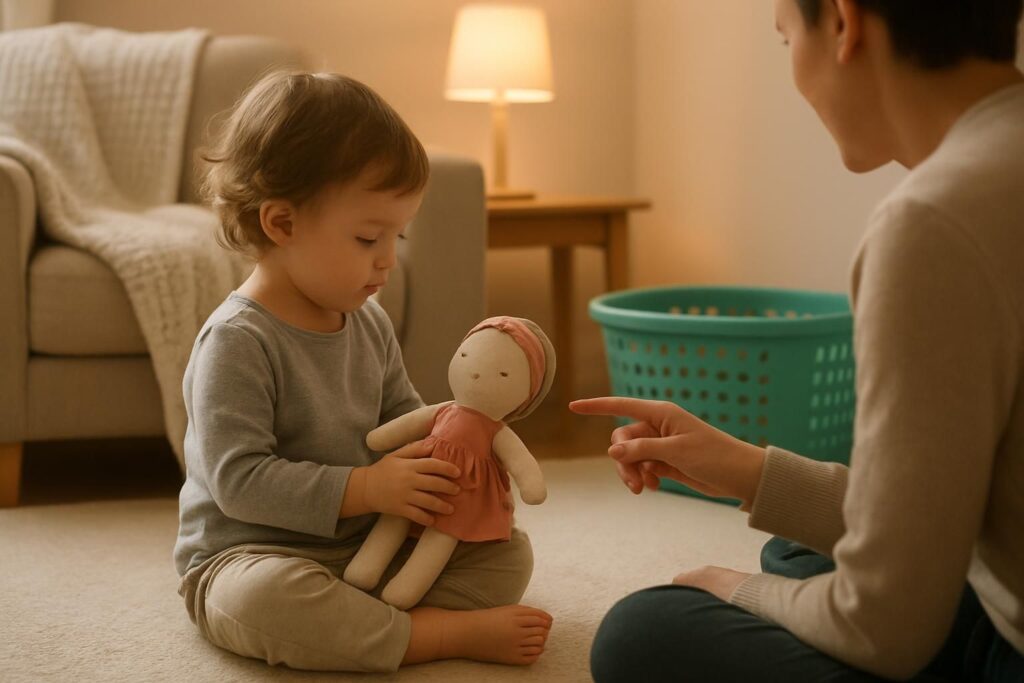
A potty training doll, sometimes called a wetting doll, is genuinely useful, but for rehearsal rather than for the actual training. Used in the week before you start, it gives your toddler the words and the sequence: the doll drinks, the doll sits, the doll is praised. Used during a live sit, it becomes a distraction like any other toy.
Picture books about using the potty or toilet work best read at bedtime or on the sofa, away from the bathroom entirely. A story your child hears five times builds the right language and expectations without any pressure attached to the moment itself.
Short videos watched together with you can do the same job for a child who responds better to a screen than a page, as long as they are watched to build familiarity rather than handed over as a reward for sitting still.
A toy toilet or a role-play potty for a teddy or doll has a real place as pretend play. It helps a toddler understand what the big toilet is for before they are asked to use it themselves, and there is nothing wrong with leaving it out alongside ordinary toys.
Flushable novelty potties, light-up seats and singing attachments are not harmful, but be clear about what they reward. They reward the sitting and the sound, not the moment your child notices they need to go and tells you. That distinction matters more than it sounds.
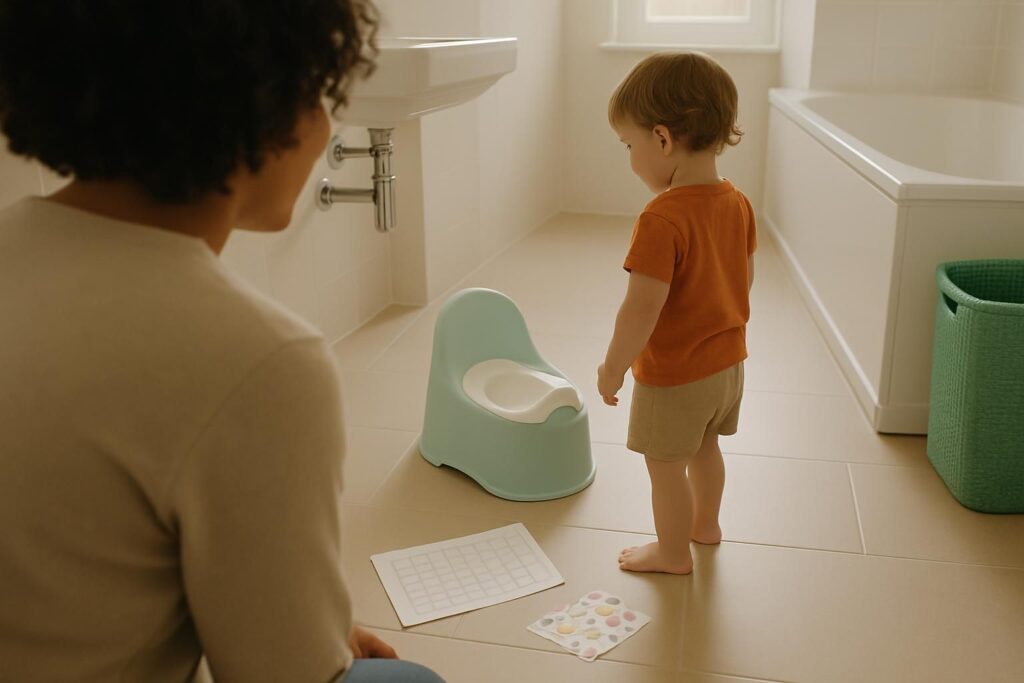
Reward charts and stickers are the one category that genuinely drives behaviour here, and the detail that makes them work is that the reward has to get harder to earn over time, not stay the same. A sticker every single time, forever, teaches a child to expect a sticker, not to recognise their own body.
| Toy or item | What it actually does | When to use it |
|---|---|---|
| Wetting doll | Rehearses words and sequence | Before you start |
| Picture book | Builds familiarity and language | Before and during, away from the potty |
| Short video together | Normalises the idea of the potty | Before and during |
| Toy toilet or role-play potty | Pretend play, understanding purpose | Any time, as ordinary play |
| Musical or light-up potty | Rewards sitting, not telling you | Use sparingly, if at all |
| Tablet or toy handed over on the potty | Distracts, lengthens sitting | Skip |
| Sticker reward system | Rewards the behaviour you actually want | Throughout the week, then less often |
Which ones get in the way, and why
Handing a tablet, phone or favourite toy to a child the moment they sit on the potty teaches them to sit, not to notice the urge. The two things feel similar from the outside but are completely different skills, and only one of them gets your child out of nappies.
Musical or singing potties that play a tune for a wee reward the sound rather than the signal that preceded it. A child can learn to enjoy the song without ever learning to say beforehand that they need to go, which is the actual goal.
Offering a toy in the moment, as a bribe to get a reluctant toddler onto the potty, trains them to expect negotiation rather than to expect a predictable reward after a success. It also makes the next sit harder, because now there is a precedent to match or beat.
A child who is absorbed in a toy or a screen is paying attention to the toy, not to their own body, and noticing a full bowel relies on paying attention to that particular sensation at that particular moment. If this is already a sticking point for your family, when your toddler will not poo on the potty covers it in more depth.
The bigger long-term risk is that the toy becomes a condition rather than a comfort. A child who will only go with a particular toy in hand has learned to need the toy, and unpicking that later is its own small project.
Why the reward has to get harder to earn, not easier
The Potty Training Box builds its reward mechanic around sticker cards in four sizes, used in that order: three squares, then five, then seven, then nine. The first reward arrives quickly at three squares so a child sees straight away that the system works, then it grows rarer as they improve, so the habit outlasts the stickers rather than stopping the moment they do.
Inside the box alongside the cards are 100 animal stickers and 20 poo stickers, plus two certificates, one for wees and one for poos, handed over at the end of the programme. If you would rather build your own version of this, the separate reward systems sold on their own, such as the reward system for boys or the reward system for girls, work the same way and can be used entirely on their own terms.
Watching a child notice their own progress for the first time is worth seeing together.
What a child needs instead of a toy: the thing you are actually training
The actual goal of potty training is the moment your child tells you they need to go, not a parent timing sits by the clock. Instead of offering the potty on a schedule, ask your toddler directly: will you tell me when you need a wee? That question, repeated gently, is what teaches a child to notice and report their own signal.
There are only a few fixed moments where you offer rather than wait: before and after sleep, and before leaving the house. These apply during the training week and afterwards as ordinary habit, not as a rule for every half hour in between.
This is the core of the Potty Training Box Method: a day-by-day programme that starts with three days at home, where a child learns fastest, followed by short outings, moving a child from potty to toilet over roughly a week.
The tracking schedules in the box exist to record when this particular child actually goes: a time for drinking, a time on the toilet, a yes or no for nothing happening, green or red for wee, green or red for poo, and a notes column. They are there to teach you this child’s own timing, not to impose a timetable on them. You can see the layout of a schedule on our potty training tracking chart page. For the fullest picture, give your child a full cup to drink in one go rather than sips spread across the morning, so you can actually see how long it takes before they need to go.
What you actually need to have ready
Alongside any plan, it helps to have a potty ready for the first few days, a toilet seat reducer and a step stool for the move to the big toilet, at least fifteen pairs of ordinary cotton pants, something to protect the mattress and sofa, pull-ups for sleeping, and a handful of small rewards.
Cotton pants rather than padded training pants matter more than they sound like they should. A child needs to actually feel wet to connect the sensation with the accident, and padded pants are designed to do the opposite.
Some links in this article are affiliate links, which means we earn a small commission if you buy through them. It costs you nothing extra and does not affect what we recommend.
| Item | Why it helps | Link |
|---|---|---|
| Potty | Main seat for the first few days | My Carry Potty |
| Step stool | Lets your child climb onto the big toilet independently | Dreambaby 2-Up Step Stool |
| Toilet seat reducer | Makes the big toilet feel secure, not huge | Munchkin Sturdy Potty Seat |
For the fuller list of what genuinely earns its place in the house during this week, what is actually worth buying goes through it item by item.
Is your child ready, or will any toy just be a prop?
Common signs a child is ready include staying dry for longer stretches, showing interest in the toilet or bathroom, telling you after an accident has happened, and being able to follow simple two-step instructions. A child who is frightened of the potty or the toilet is not ready, whatever toys are in the room, and the honest answer is to build familiarity first and start again later.
Not sure whether your child is ready yet? Take the readiness quiz below.
If a first attempt does not go well, stopping and leaving it a while before trying again is not giving up, it is part of the method itself. Accidents along the way are a normal part of learning rather than a sign something has gone wrong, which is covered in more depth in our piece on accidents and regression. For more day-to-day approaches that do not rely on buying anything, potty training tips that actually work is worth reading alongside this.
If you are potty training a boy specifically, there are a few practical differences worth knowing about standing height, splashback and timing, which potty training boys covers.
Books that do more than any toy
A story your child hears five times, understands, and can predict beats a gadget they poke once and lose interest in. Read it at bedtime or on the sofa, not as something to occupy them mid sit, so it builds familiarity rather than becoming another distraction.
Pirate Pete’s Potty and All Aboard the Toilet Train! are both straightforward, cheerful options that work well for this age group without being twee about the subject.
What to buy, in what order, if your budget is small
If you can only buy a few things, the order of priority is cotton pants first, then a potty, then something to protect furniture, then a reward system, and anything else after that. Skip tablets, phones and any toy designed to be handed over mid sit, since none of them teach the signal you are actually after.
If you want the day-by-day plan and the reward mechanic in one place rather than assembling it yourself, that is what the Potty Training Box is for. It is also reusable for a younger sibling later, and refill sticker sets are available separately when you need them. If you are still deciding between a structured kit and putting something together yourself, do potty training kits actually work weighs that up honestly.
Frequently asked questions
Do potty training toys actually work?
Some do and some do not. Toys that build familiarity before you start, such as a potty doll, a picture book or a short video watched together, genuinely help. Toys handed over during the actual sit mostly distract a child rather than teach them anything, and what moves most children out of nappies is a clear plan paired with a reward system, not a gadget.
Should I let my child play with a toy while sitting on the potty?
It is best avoided as a regular habit. A toy or screen handed over during a sit teaches your child to sit still, not to notice and respond to their own body's signal, which is the actual skill you are training. A child absorbed in a toy is paying attention to the toy rather than to their own body, which can make it harder for them to notice when they need to go.
Does a potty training doll help?
Yes, used in the right way. A wetting doll is most useful in the days before you start, as rehearsal: the doll drinks, sits, and gets praised, giving your child the words and sequence in advance. Used during an actual potty sit it works like any other toy and becomes a distraction rather than a teaching tool.
What age should a child be potty trained in the UK?
There is no age that suits every child, and readiness matters more than hitting a particular birthday. Many families begin somewhere in the toddler years, but a child who shows no signs of readiness yet should simply wait and try again later rather than start to match an age marker.
What is the three day potty training method, and does it really work?
Three days at home is the intensive start used by several structured programmes, including the Potty Training Box Method, because this is when a child learns fastest with no outings to interrupt the routine. Most children following a structured plan are dry in the daytime within about a week overall, some in as little as three days and others taking two to three weeks, so three days alone is rarely the whole story.
Which potty is best for a boy?
A simple, stable potty with a low front splashguard tends to suit boys well, since it reduces mess without making the seat feel complicated. Practical differences for boys, including standing height and timing, are covered in a dedicated article on potty training boys.
Ready for the next step?
The Potty Training Box holds the day-by-day programme this article is built on: tracking charts that show you when your child actually needs to go, instruction cards for each day, and a reward system that tapers off on its own.
This article was written with AI assistance and checked by Dustin van de Sande.