

My Child Isn’t Interested in Potty Training: How to Encourage Them Without Pushing

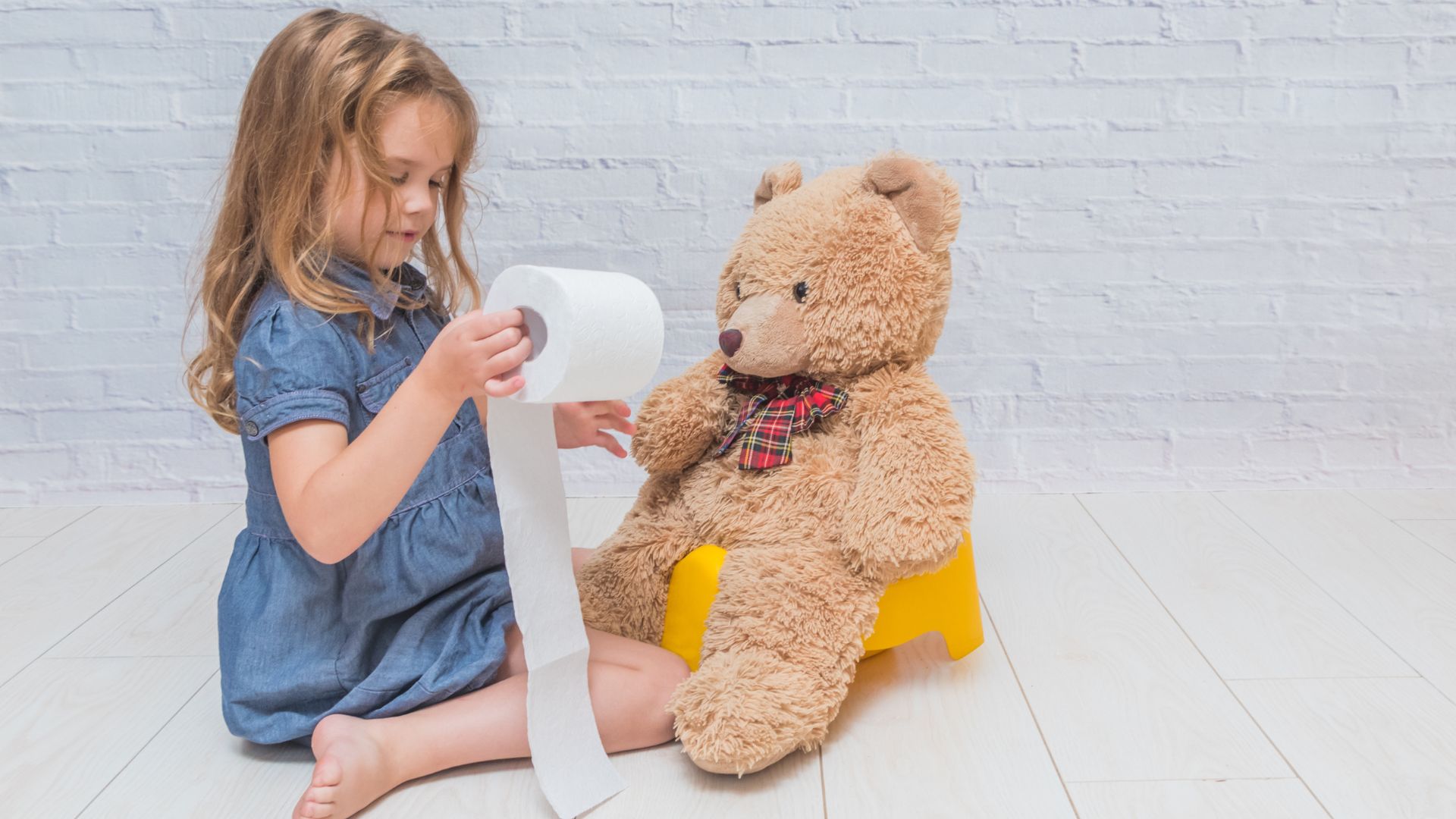
Work out whether your child isn’t ready yet or is ready but simply not interested, because the two call for opposite responses: wait and build familiarity if they’re not ready, or start a short, structured, reward based week at home if they are. A lack of interest is extremely common and doesn’t mean you’ve done anything wrong.
My child shows no interest in the potty. What do I actually do?
Most toddlers go through a stretch where the potty is something to ignore, sit on fully clothed, or use as a hat. This is not a sign your child is behind, stubborn, or that you’ve missed some window. It’s just where they are right now, and the right response depends entirely on why.
A child who is genuinely not ready needs patience and familiarity, not encouragement. A child who is physically ready but simply hasn’t found a reason to bother needs a short, clear, positive start, not more waiting. Mixing these two up, nagging a child who isn’t ready or endlessly delaying a child who is, is where most of the frustration in this stage comes from. The rest of this article walks through how to tell the difference, what might be going on underneath the lack of interest, and what to actually say and do either way.
Is my child not ready, or just not keen?
A child who is ready to start usually stays dry for an hour or two at a stretch, shows some awareness that they’re going, whether that’s a pause, a face, or a word, can pull their pants up and down largely unaided, and can follow a simple two step instruction such as ‘go and get your shoes, then come back’. They might also show interest in the toilet, watch other people use it, or tell you after a wee or poo has already happened.
A child who isn’t ready yet often shows the opposite: no awareness at all of being wet or soiled, genuine fear at the sight of the potty or toilet, or they’re in the middle of a big upheaval, a new baby, a house move, starting nursery, that’s taking up all their emotional energy right now. A child who is frightened of the potty or the toilet specifically is not ready, whatever their age. The right move there is to build familiarity first, with no pressure attached, and start properly later.
If you want a longer list to check your child against, the readiness signs checklist goes through this in more depth than we can here.
It’s worth running through this properly rather than guessing, so you don’t start too early or wait longer than you need to. Try our readiness quiz for a clearer answer.
Why your toddler isn’t interested (the five usual reasons)
Nothing is actually broken from your child’s point of view. Nappies are comfortable, familiar, and have never caused a problem they can see, so there’s no obvious reason to change. The practical response is to make the alternative, cotton pants and the potty, feel just as normal and unremarkable, rather than a big event.
Sometimes it feels like something being done to them rather than something they’re choosing. If every mention of the potty comes with a request, a reminder, or a question, a child can start resisting on principle. Handing over small choices, which pants to wear, which sticker goes where, softens this considerably.
A past attempt that went badly leaves a mark. If there was shouting, a scary flush, or pressure the child could sense even if nobody meant it that way, they’ll associate the whole subject with that feeling. Starting again slower, with no reference to the last attempt, usually works better than pushing through the same approach harder.
Plenty of toddlers are simply too busy playing to want to stop for something that interrupts the fun. This isn’t defiance, it’s just where their attention is. Short, low key check ins rather than long sit downs on the potty respect that.
And some reluctance is sensory or fear based rather than behavioural: the flush is loud, the toilet feels too high, the drop below feels unsettling, or the seat itself feels cold or strange against their skin. A quieter, patient introduction, building up familiarity in short bursts rather than long sessions, usually brings a sensitive child round in time. If this sounds like your child, a highly sensitive child goes into this in more detail.
| What you see | What it usually means | What to do next |
|---|---|---|
| Hides to poo in a nappy | Comfort and privacy, not defiance | Let them keep the nappy a little longer for poos only, drop it later |
| Screams at the sight of the potty | Genuine fear, not readiness yet | Remove pressure, build familiarity, try again in a few weeks |
| Happily sits but never goes | Comfortable with the potty, not yet connecting the sensation | Shorter, more frequent moments rather than long sits |
| Tells you only after they’re wet | Early awareness, timing not there yet | Praise the telling anyway, it’s the first step |
| Was doing well, then stopped | Common regression, often tied to a change at home | Stay calm, keep routine, no fuss over accidents |
| Asks to put the nappy back on | Overwhelm or too much pressure | Ease off questioning, hand back some control |
How to build interest in the weeks before you start
Groundwork in the weeks beforehand makes the actual week far smoother, and it costs nothing but time. Let your child see you and any older siblings use the toilet normally, and answer their questions plainly rather than making a mystery of it.
Let the potty live in the room it will be used in for a while, with no expectation attached to it at all. It can be climbed on, ignored, or used as a stool for a toy. Familiarity does the work here, not instruction.
Doing nappy changes standing up in the bathroom, rather than on a mat in the living room, quietly teaches your child that the bathroom is where this sort of thing happens, long before you ask anything of them directly.
Some links in this article are affiliate links, which means we earn a small commission if you buy through them. It costs you nothing extra and does not affect what we recommend.
A bedtime story about the potty helps too. Pirate Pete’s Potty is a popular choice for exactly this stage, read without any expectation that your child will suddenly want to use one the next morning. The point is familiarity, not a lesson.
Let your child choose their own pants when the time comes, from a proper pile rather than a spare pair or two. Have at least fifteen pairs of cotton pants ready before you start, since there will be accidents and you don’t want to be doing a wash every few hours. Alongside the pants, it’s worth having a potty, a toilet seat reducer and a step stool ready, something to protect the mattress and sofa, a handful of small rewards, and pull ups for sleeping, so none of it needs sorting out mid week once you’ve begun.
Encouraging without pushing: what to say and what to stop saying
Swap ‘do you need a wee?’ for ‘you tell me when you need a wee’, because the second one puts the initiative back where it belongs, with your child rather than with you. It sounds like a small change but it shifts the whole dynamic from something you’re doing to them to something they’re doing themselves.
There are only a few fixed moments where you still ask directly rather than wait to be told: before and after sleep, and before you leave the house. That holds during the training week and afterwards too, since those moments carry a real risk of an accident regardless of how well things are otherwise going.
After an accident, keep it short and calm. No fuss, no long explanation, just a quick change of pants done together as a matter of fact rather than a drama. Children pick up on tone far more than on words, and a calm response teaches them that an accident isn’t a disaster.
Praise the telling itself, not only a successful result. A child who says ‘I need a wee’ and then has an accident on the way to the potty has still done the important part, which is noticing and saying something. That’s worth more recognition than it usually gets.
If your child starts resisting the question itself, bored of being asked, pull back and ask less often rather than more. Handing over more responsibility, letting them decide when to go rather than being prompted, usually gets further than repeating the question more insistently.
Never punish an accident, and never compare your child with a sibling or another child who trained faster. Both tend to make a child more anxious about the whole subject, which is the opposite of what gets them there.
Why offering the potty every 30 minutes backfires, and what to do instead
Putting a child on the potty every twenty or thirty minutes by the clock trains you to watch the time, not your child to recognise their own body. It can produce some dry nappies by coincidence, but it stalls exactly at the point where the child should be starting to tell you themselves, because there’s never been a reason for them to notice and say anything.
The better question isn’t ‘how often should I put my child on the potty’, it’s ‘how do I learn when my child actually goes’. Those sound similar but point in opposite directions: one is a routine you impose, the other is information you gather about this particular child.
A tracking schedule is how you gather it. It records the time your child had a drink, the time they were on the toilet, whether nothing happened, a green mark for a successful wee or a red mark for an accident, the same for a poo, and a notes column for anything else worth remembering. Filled in over a few days, it shows you the actual gap between drinking and needing to go for your child specifically, rather than a generic interval that might suit nobody.
It works best if your child drinks a cup in one go rather than in sips spread across the afternoon, since that’s the only way to see the real link between how much went in and how long it takes before they need the toilet. A half finished cup sipped on and off over an hour doesn’t give you that information. A free printable version of the tracking chart is available on the tracking chart page, if you’d like to try this on your own before deciding on anything more structured.
Rewards that actually motivate, and the ones that stop working
A reward has to arrive immediately and be small to mean anything to a two or three year old. A sticker given the second they go works. A bigger prize promised for ‘later’ or ‘at the weekend’ doesn’t, because the connection between the action and the reward is too far apart for a toddler to hold onto.
A single chart with a fixed number of squares tends to stall for the opposite reason once the novelty wears off: it’s either too easy to fill, so it stops meaning anything, or too far off to feel reachable, so a child gives up partway through.
A ladder gets round both problems. Sticker cards come in four sizes, used in that order: three squares first, then five, then seven, then nine. The first card fills quickly, often within a day, so your child sees straight away that the whole thing works. Each card after that takes a little longer, so the reward gets rarer as your child improves, and the habit ends up outlasting the stickers rather than stopping dead the moment they do.
Certificates for wees and for poos give your child something to work towards beyond the day to day stickers, a clear point where the training itself is recognised as done. For more detail on how to build a reward system that actually holds a child’s attention past the first week, which kind of reward chart actually works covers this properly. If you’d rather put a ladder like this together yourself without the rest of the box, separate reward systems are also available on their own at Extra Reward System.
It’s worth watching this together with your child the first time they actually succeed, so the moment gets celebrated properly.
What a week of doing it properly looks like
The Potty Training Box sets out a day by day programme built around this idea: the first three days are spent at home, where a child learns fastest, with short outings added once those three days are done. It moves from potty to toilet, is built on rewards rather than pressure, and works towards the moment your child tells you themselves, rather than being asked. The approach behind it is called the Potty Training Box Method, and it’s worth naming plainly because it’s a specific, describable way of doing this, not just a general idea of ‘being positive about it’.
Day one and two are usually nappy off, cotton pants on, plenty to drink so there’s more to notice and more chances to get it right, and the tracking card filled in each time so you start to see the pattern.
By day three, you’ll often find yourself prompting less and your child starting to tell you before you ask. This is the shift the whole first phase is working towards.
Day four or five tends to be the hardest day, more so than day two, because by then children often get genuinely bored of being asked ‘do you need a wee’ over and over, even in its gentler form, and some resistance shows up as a result. The fix isn’t to ask more, it’s to ask less and hand over more of the responsibility, letting your child take the lead on noticing rather than waiting to be prompted.
Short outings follow once the first three days at home are behind you, building up gradually rather than all at once. Being honest about timeframes matters here: most children are dry in the daytime in about a week, some manage it in as little as three days, and others take two or three weeks, all of which is entirely normal. Night time dryness is a separate matter that tends to come later on its own, and night time dryness covers that stage specifically.
When to stop and try again later
If three or four days in there’s real distress, your child is holding on for long stretches, or flatly refusing, the honest answer is to stop and leave it a few weeks rather than pushing through. Stopping is part of the method itself, not a failure, and it doesn’t undo anything your child has already picked up.
Age three or later is not too late to start. Plenty of children begin then and do perfectly well, and if your three year old still isn’t trained, my 3 year old still isn’t potty trained covers the specific issues that tend to come up at that age.
Children who are autistic, have Down syndrome, or are non-verbal are trained successfully with this same approach too, usually over a longer stretch and with more reading of a child’s own signals, since the signals themselves might look different and waiting to be told in words isn’t always realistic.
Some things genuinely sit outside what any article or box can help with. Withholding poo, constipation, pain when weeing, or repeated urinary infections are all worth raising with your GP or health visitor rather than working through at home, since those need a proper medical look rather than a training adjustment.
Frequently asked questions
How do I get my child to go on the potty if they refuse?
Stop asking and drop the pressure for a few days, rather than pushing harder. Let the potty sit in the bathroom with no expectation attached, read a potty book together at bedtime, and let your child see you use the toilet normally. If the refusal includes real fear rather than simple disinterest, treat your child as not ready yet and try again in a few weeks, and consider the <a href='https://pottytrainingbox.co.uk/potty-training-readiness-signs-checklist/'>readiness signs checklist</a> to check where they actually stand.
Is age 3 too late to potty train?
No. Plenty of children start successfully at 3 or even later, and age alone isn't the deciding factor, readiness is. If your three year old still isn't trained and you're not sure why, <a href='https://pottytrainingbox.co.uk/how-to-potty-train-a-3-year-old-5-best-tips/'>my 3 year old still isn't potty trained</a> covers the specific sticking points that tend to show up at that age.
How often should I put my child on the potty?
The better question is how you learn when your particular child actually goes, rather than how often you put them on the potty by the clock. A tracking schedule records drinking times, toilet times and results over a few days so you can read your child's own pattern, instead of imposing a fixed interval that trains you more than it trains them.
What are the signs my child is not ready for potty training?
Fear of the potty or toilet, no awareness at all of being wet, and a major upheaval such as a new baby, a house move or starting nursery are all signs it's worth waiting. A child who is frightened specifically is not ready, whatever their age, and building familiarity first matters more than starting on schedule.
My child will wee on the potty but not poo. What now?
This is extremely common and usually separate from general readiness: many children manage wees confidently while poo brings up fear, discomfort or a reluctance to let go in a new place. For the thinking behind it and what helps, <a href='https://pottytrainingbox.co.uk/my-child-is-afraid-to-poop-5-super-valuable-tips/'>afraid to poo</a> covers this in more depth than we can here.
How long does it take once my child is actually interested?
Most children are dry in the daytime in about a week once they're genuinely ready and interested, though some manage it in as little as three days and others take two or three weeks. Night time dryness is separate and tends to follow later on its own, and <a href='https://pottytrainingbox.co.uk/becoming-potty-trained-at-night-how-to-do-it/'>night time dryness</a> has more detail on that stage specifically.
Ready for the next step?
The Potty Training Box holds the day-by-day programme this article is built on: tracking charts that show you when your child actually needs to go, instruction cards for each day, and a reward system that tapers off on its own.
Sources
This article was written with AI assistance and checked by Dustin van de Sande.
